
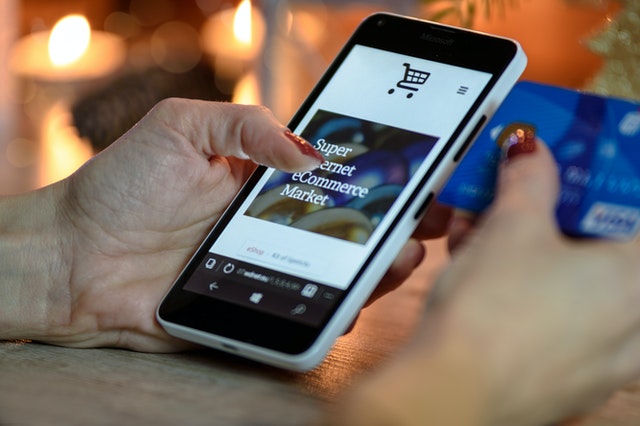
What is Drop Shipping, and What is a Drop Shipper?
Running an online store no longer requires a warehouse full of products; with drop shipping, you can sell physical products without holding inventory or packing boxes yourself. This guide explains what drop shipping is, what a drop shipper does, and how you can turn this flexible business model into a real online income stream step by step.
What is Drop Shipping?
When people ask what is drop shipping, the simplest answer is that it is an ecommerce model where you sell products on your website while a third‑party supplier stores, packs, and ships every order directly to your customers. You list items in your online store, accept payment from the buyer, then forward the order details to your supplier who fulfills the shipment under your brand.
In a traditional retail model, you purchase inventory in bulk and handle logistics yourself; with this model, you operate as the marketing and sales engine while your supplier manages inventory and delivery. Because you pay the supplier at a discounted rate and charge your customer a higher retail price, you keep the difference as profit without needing a large startup budget.
What is a Drop Shipper?
A drop shipper is the business owner who runs the online storefront, promotes products, and processes customer orders, while an external supplier handles stock and shipping. When you run this type of store, you never physically touch the products; instead, you focus on choosing winning items, improving your website, and driving traffic that converts into sales.
Your supplier can be a manufacturer, wholesaler, or specialized fulfillment company that stores products and ships them in your name. As the drop shipper, your responsibilities include customer service, marketing campaigns, and maintaining healthy profit margins by setting prices that cover costs and leave room for growth.
How the Drop Shipping Model Works Step by Step
Understanding what drop shipping is in practice helps you set up reliable systems and avoid costly mistakes. At a basic level, the process moves through a sequence that repeats for every order in your store.
- A customer visits your online store and places an order for a product you offer.
- Your ecommerce platform captures payment from the customer at the retail price you set.
- You forward the order details to your supplier, either manually or automatically using an integration.
- The supplier picks, packs, and ships the product directly to your customer, often with your brand reflected on the packing slip when possible.
- You keep the profit, which is the difference between what the customer paid and what you pay the supplier for that order.
Because technology automates many of these steps, you can run this type of business from almost anywhere with a laptop and an internet connection. When you connect reliable suppliers to a well‑optimized store, you build a scalable system that can process orders even while you focus on other tasks like content creation or email marketing.
Why Drop Shipping Became So Popular
As more entrepreneurs ask what is drop shipping and how it compares to other models, they discover that it dramatically lowers the barrier to launching an online store. Many people want to make money online but feel intimidated by inventory management, shipping logistics, and large upfront investments in stock.
With this model, you can start small, test product ideas quickly, and pivot when something does not sell without liquidating unsold inventory. This flexibility makes it especially attractive for side hustles and home‑based businesses that fit around existing jobs or family responsibilities.
Drop Shipping vs Traditional Online Stores
Although both approaches involve selling physical products online, they differ in ways that affect risk, cash flow, and daily operations. Understanding these distinctions helps you decide whether this path fits your goals.
Key Differences Between Models
| Aspect | Drop Shipping Model | Traditional Ecommerce Store |
|---|---|---|
| Inventory | No inventory purchases upfront; the supplier holds stock for you. | You buy, store, and manage inventory before selling. |
| Startup costs | Very low; you mainly pay for hosting, tools, and marketing. | Higher; you invest in stock, storage, and logistics from day one. |
| Shipping | Supplier handles packing and shipping directly to customers. | You manage packaging, carriers, and returns. |
| Control | Less control over packaging and delivery times. | More control over product quality checks and packaging. |
| Profit margins | Typically lower margins, but lower risk and more flexibility. | Potentially higher margins if you manage logistics efficiently. |
Because you avoid upfront stock purchases, you assume less financial risk but must manage smaller margins and occasional supplier delays with more precision. A traditional store offers more control over the customer experience, although it demands higher capital, more space, and daily operational effort.
Benefits of a Drop Shipping Business
When beginners wonder what is drop shipping good for, the answer often involves flexibility and low risk. A well‑structured store using this model offers several advantages for new and experienced entrepreneurs.
- Low startup costs because you do not need to purchase inventory or rent warehouse space.
- Reduced risk; if a product does not sell well, you remove it from your store without liquidating unsold stock.
- Location independence; you can manage your store from almost anywhere with reliable internet access.
- Wide product selection, since you can list items from multiple suppliers without storing them yourself.
- Easy scalability; when orders increase, your suppliers handle the extra fulfillment workload, while you focus on marketing and optimization.
This model works especially well for side hustles, niche stores, and experimental product lines that you later scale into larger brands. As your results improve, you can transition some best‑selling items to bulk inventory while keeping most products on this flexible arrangement.
Common Risks and Challenges
Every business model carries trade‑offs, and drop shipping is no exception. To build a sustainable store, you must understand the most common challenges and create systems that reduce their impact.
- Limited control over shipping speed and packaging, especially when suppliers operate in different regions.
- Stock sync problems, where a supplier runs out of inventory even though your website still shows an item as available.
- Quality concerns, such as inconsistent product standards when you rely on poorly vetted sources.
- Lower margins compared with buying in bulk, which means you must optimize conversions and marketing to maintain profits.
- Intense competition on popular items, since many sellers can access the same suppliers and products.
You handle these challenges by choosing reliable partners, monitoring order performance closely, and building a strong brand and content strategy that sets your store apart from generic competitors. Because you control the marketing and customer experience, you can still differentiate your business even when others sell similar products.
How to Start a Drop Shipping Business Step by Step
Launching this type of business becomes much simpler when you follow a structured process instead of guessing your way through it. The following steps give you a practical roadmap from idea to first sale and make it clear what drop shipping is in real life.
Choose Your Niche
First, define a focused niche so your store attracts a specific audience instead of trying to serve everyone. A clear niche makes product selection, branding, and marketing easier because you know exactly who you serve and which problems you solve.
To deepen your niche research, guide readers to Drop Shipping Niches: How to Choose Profitable Products for a Targeted Audience. This internal resource explains how to select niche ideas that support profitable online stores. A tight niche supports stronger messaging, better SEO, and higher conversion rates across your product pages and funnels.
Validate Product Demand
Before building your full website, validate that people actually want to buy the products you plan to sell. Use keyword research, marketplace data, and competitor analysis to confirm that your chosen items generate consistent search interest and buyer activity.
Look for products with healthy demand, stable or growing trends, and reasonable competition so your store can gain traction with search traffic and paid ads. Avoid items that face high return rates, complex shipping restrictions, or legal issues, especially when working with overseas suppliers.
Select Reliable Suppliers
Your choice of suppliers determines how smoothly your operations run and how satisfied your customers feel. Reliable suppliers maintain inventory, ship orders on time, and communicate clearly when issues arise.
When evaluating partners, look for:
- Verified business information and a strong track record.
- Reasonable shipping times and transparent pricing for your main markets.
- Clear policies on returns, replacements, and damaged items.
- Integrations with popular ecommerce platforms to automate order forwarding and tracking.
Place test orders before launching to confirm product quality, packaging, and shipping speed match your expectations; this step protects your reputation and sets your brand on a solid foundation.
Build Your Website
Next, create a professional website that showcases your products and makes it easy for visitors to complete orders. You need secure hosting, a clean theme, and an ecommerce platform that supports automated order routing and inventory sync.
For hosting, you can recommend DreamHost, which offers beginner‑friendly tools for launching and growing your store. As you build your site, aim for fast load times, intuitive navigation, and a mobile‑first design that supports higher conversions.


Optimize Product Pages for Conversions
Each product page should educate, persuade, and reassure potential buyers. When you write descriptions and arrange sections, think about each product page should educate, persuade, and reassure potential buyers. When you write descriptions and arrange sections, think about what questions visitors have and how you can answer them clearly and confidently.
- Use compelling headlines that highlight the main benefit of each product.
- Write detailed descriptions that explain features, benefits, use cases, and sizing where relevant.
- Add high‑quality images and, when possible, short videos that demonstrate the product in real situations.
- Include trust elements like reviews, clear guarantees, and transparent shipping information.
Supporting blog content strengthens your authority. A great example on your site is How to Choose the Best Business Type for Beginners, which helps readers compare online business models and understand where this approach fits into the bigger picture.
Set Up Email Marketing and Automation
An effective email system helps you follow up with visitors and turn one‑time buyers into repeat customers. You can capture email addresses using lead magnets, exit‑intent popups, or newsletter opt‑ins that promise exclusive offers and helpful content.
To simplify list management and automation, you can use GetResponse to build campaigns that welcome new subscribers, recover abandoned carts, and promote seasonal offers. For a complete step‑by‑step framework on turning your email list into a revenue engine, send readers to How to Set Up an Email List That Prints Money, which shows how to design funnels that support your store’s long‑term growth.
Outsource Tasks and Scale Operations
As your business grows, you eventually reach a point where you cannot handle every task alone. Outsourcing design, content, support, or technical work allows you to focus on strategy and profit‑producing activities instead of routine tasks.
You can hire specialists for product research, copywriting, or ad management through Fiverr Marketplace, where you find freelancers for almost any task. Over time you may also decide to promote the marketplace itself and earn additional income by joining the Fiverr affiliate program.
To keep your structure and growth strategy aligned, revisit How to Choose the Best Business Type for Beginners, which helps readers decide how this model fits into their larger online business plan.
SEO Foundations for Your Store
If you want consistent, free traffic, treat SEO as a core pillar of your strategy rather than an afterthought. Search‑optimized content attracts visitors who already look for the types of products you sell, which makes them more likely to convert.
On‑Page SEO Essentials
On‑page SEO focuses on optimizing individual pages so both search engines and visitors understand what each page covers. For your store, this includes category pages, product pages, and supporting blog content that answers your audience’s questions.
- Create clear, descriptive title tags and meta descriptions that reflect the topic and intent of each page.
- Use logical H1, H2, and H3 headings to structure content and make it easy to scan.
- Add internal links between related posts, such as pointing readers from this guide to Drop Shipping Niches: How to Choose Profitable Products for a Targeted Audience so they can explore niche ideas in more detail.
- Optimize image file names and alt text so they clearly describe the product and context on each page.
Content Marketing That Supports Sales
Publishing helpful content related to your niche builds trust and drives organic visitors to your store. Instead of only listing products, create articles, guides, and comparisons that answer common questions your ideal customers ask.
- Beginner guides explaining how to use your products or choose the right option for specific needs.
- List posts that compare several products or highlight the best options for particular situations.
- Tutorials and troubleshooting posts that help buyers get more value after they purchase from you.
To show how this store model fits within broader online income strategies, point readers to Making Money Online: Exploring Various Home-Based Business Opportunities, which explains how different online models can complement each other.
Pricing and Profit Margins
Because margins can be thinner than with traditional retail, smart pricing decisions make the difference between a struggling store and a profitable one. You must cover product costs, transaction fees, marketing spend, and tools while still leaving enough room for growth.
A practical approach involves marking up products above your supplier cost based on niche, perceived value, and competition levels. Higher‑ticket items often support lower percentage margins, while smaller accessories may allow higher markups without scaring away buyers.
Test different price points, monitor conversion rates, and calculate true profit per order instead of focusing only on revenue. When you regularly review your numbers, you quickly identify winning products, underperforming items, and opportunities to negotiate better supplier terms.
Customer Experience and Support
Even though your supplier handles shipping, your customers still see you as the brand responsible for their experience. Excellent support builds trust, encourages repeat purchases, and generates positive reviews that strengthen both your reputation and your SEO.
- Set clear expectations about shipping times and tracking updates, especially when shipping from overseas warehouses.
- Publish simple, well‑explained return and refund policies that align with your supplier’s rules.
- Respond quickly to support inquiries through email or chat so customers never feel ignored.
When you treat every order as an opportunity to build a relationship, you increase lifetime customer value and reduce the impact of occasional supplier issues.
Tools and Platforms You Need
Modern tools make running this type of business far easier than in the past. These platforms automate inventory sync, order forwarding, and even parts of your pricing and product research.
- An ecommerce platform where you manage your website and process orders.
- Reliable web hosting from DreamHost to keep your store online and fast.
- Email marketing software like GetResponse to run campaigns and automate follow‑ups.
- Freelance talent from Fiverr Marketplace, plus the Fiverr affiliate program if you want to add an extra income stream.
Setting up this stack early gives you the infrastructure to scale smoothly as your traffic and sales increase.
Is Drop Shipping Right for You?
This approach suits entrepreneurs who want low startup costs, flexibility, and a strong focus on marketing rather than logistics. It works especially well if you enjoy researching niches, creating content, and optimizing sales funnels more than managing warehouses or packing boxes.
If you prefer complete control over quality checks, packaging, and shipping speed, you might eventually shift from this model to a hybrid setup where you stock your best‑selling items locally. However, starting here lets you validate demand, refine your brand, and build an audience before making larger investments.
For more ideas on building income streams that match your skills and resources, guide readers to Making Money Online: Exploring Various Home-Based Business Opportunities, which outlines multiple ways to earn online that can complement your store.
Conclusion
Now that you understand what is drop shipping and how a drop shipper operates, you can see why this model appeals to so many new entrepreneurs. It allows you to launch an online store quickly without buying inventory, renting storage, or handling shipping yourself.
By partnering with reliable suppliers, optimizing your website for conversions and SEO, and building a strong email and content strategy, you can turn a simple store into a real online business that grows over time. Although it involves challenges such as thinner margins and less control over logistics, you can overcome these issues with careful supplier selection, transparent customer communication, and ongoing optimization of your pricing and marketing.
If you want to start an ecommerce business with minimal risk and maximum flexibility, drop shipping offers a powerful way to make money online while you learn essential digital marketing and business skills.
¹ Affiliate Disclosure: The links I shared here are affiliate links. This means that when you click on the link, I might earn from qualifying purchases at no cost to you.